Global Pipeline Knowledge
Pig Launching and Receiving Traps: Safe Depressurization Steps
A pig has arrived at the receiver, the pressure gauge appears to be at zero, and the crew is ready to open the closure. That is a critical pause point: a zero reading alone does not prove that the barrel is isolated, fully depressurized, or free of hazardous product. Opening a pressurized trap can release the closure, pig, debris, or product with enough force to cause serious injury.
Safe depressurization of Pipeline Pig Launching and Receiving Traps requires a site-specific sequence: establish and verify the prescribed isolation, release pressure through an approved system, confirm atmospheric pressure using the designated independent checks, and only then authorize opening. The exact valve positions and verification methods depend on the trap design, product, and operating procedure. The discussion below supports that procedure; it is not a valve-by-valve operating instruction.
Start with the actual trap configuration
A launcher or receiver may have connections to the main pipeline, bypass piping, vent and drain systems, instrumentation, chemical injection, and other equipment. Any connection capable of introducing pressure or product must be considered, including small-bore lines that are easy to overlook. A closed main isolation valve does not necessarily isolate every route into the barrel.
Before the crew begins, review the current approved operating procedure and isolation plan against the installed arrangement. Confirm the identity of the trap, the expected product, the pigging stage, and the locations of the relevant valves, pressure indicators, vents, drains, and closure safety devices. Field labels and valve positions should agree with the approved documents; an unexplained mismatch is a reason to stop and resolve the discrepancy.
Launching and receiving have different immediate objectives. A launcher may need to be opened for pig loading, while a receiver is opened to remove a pig and collected debris. In either case, a barrel that has been connected to an operating pipeline must be treated as potentially pressurized until the required isolation and pressure checks have been completed.
Establish the isolation boundary
The isolation plan should identify every relevant pressure and product source and specify how each boundary is secured and verified. Depending on the facility and the work, the approved arrangement may require a particular combination of valves, monitored bleed points, positive isolation, or other engineered measures. The required isolation for opening a closure is not automatically adequate for subsequent internal entry, maintenance, or hot work.
Use the site’s authorization and lockout or isolation controls so that another person cannot inadvertently restore pressure. Coordinate with the control room and anyone operating connected equipment. Record the isolation points and communicate the work status at shift changes. Do not assume a valve is sealing simply because its handwheel or actuator indicates the closed position.
Where the approved arrangement includes a bleed or other means of proving isolation, use it as specified. Continued flow or recurring pressure can indicate leakage past an isolation valve, pressure trapped between valves, an incorrect line-up, or another connected source. Such indications require investigation under the site procedure; adding another isolation or changing the line-up without authorization can create a different hazard.
Release pressure through the designated system
Once the isolation boundary has been established, depressurize the barrel using the approved vent and drain arrangement. The receiving system must be suitable for the product and expected release. Gas, vapor, liquid, and displaced debris can create fire, toxicity, environmental, noise, or static-related hazards, so the discharge route and exclusion area need to be established before a valve is operated.
Release pressure in the controlled manner required by the facility procedure. Rapid discharge can make conditions harder to manage and may produce cooling, liquid carryover, or movement of accumulated material. Personnel should remain clear of closure ends, discharge points, and other line-of-fire areas identified in the operating plan. Do not treat the absence of a visible plume as evidence that the barrel is safe.
Venting and draining are related but not interchangeable. A low-point drain may remove liquid or expose a remaining pocket of pressure; a vent may release gas while leaving liquid, sludge, or solids behind. The required order depends on the trap and connected recovery system. Operators should follow the approved sequence rather than assume that opening both points together is always safe.
Allow for pressure that can return
Pressure can reappear after an initial release. Possible causes include leakage through an isolation valve, liquid warming and expanding, dissolved gas coming out of solution, or a blocked passage clearing. A pig or debris can also separate portions of the barrel, leaving pressure on one side when an instrument or vent senses the other.
Watch for the behavior specified in the procedure during the required observation period. A continuing discharge, a rising pressure indication, or an unexpected change in flow is not a signal to hurry the opening. Stop the task, keep personnel clear, and have the isolation and vent path assessed by the responsible operations personnel.
Prove atmospheric pressure before touching the closure
The opening decision needs more evidence than a single gauge at zero. The approved method should account for instrument condition, possible blockage, trapped sections, and the closure design. Use the designated pressure indication and independent verification provisions in the site procedure, and confirm that the relevant barrel space is being assessed.
- Check the indication: A gauge can be damaged, isolated from the barrel, plugged, or outside its useful measuring range. An apparently steady needle does not by itself demonstrate a clear sensing path.
- Use the prescribed verification point: A designated vent, bleed, or pressure-warning device may provide additional evidence, but only if its passage is known to be functional and it communicates with the space being opened.
- Consider separated volumes: A stuck pig, debris, or liquid can obstruct communication between the gauge, vent, and closure end. An inconclusive check requires investigation, not an assumption that pressure has dissipated.
- Check for renewed pressure: Observe and document the results as required. If pressure returns or cannot be verified, maintain the closure secured and escalate.
A pressure-warning device or closure interlock is an important safeguard, not permission to defeat other checks. Never bypass, force, modify, or rely on a damaged safety device. A blocked warning passage may give no warning even when pressure remains. Any suspected defect should be managed under the equipment’s maintenance and isolation requirements.
Opening the closure is a separate authorization point
Before opening, the person responsible for the work should confirm that isolation, depressurization, atmospheric-pressure verification, and required permits are complete. The crew also needs a plan for residual liquid, contaminated debris, and the possible movement or condition of the pig. Position personnel outside the closure’s potential path of movement and follow the manufacturer’s instructions and the site procedure for that specific closure.
Release the closure restraints only in the prescribed manner. A closure that binds, resists movement, leaks, or behaves unexpectedly should not be forced. Stop, withdraw to a safe position, and reassess the condition with the responsible personnel. The same applies if a pressure-warning device indicates pressure or a vent begins discharging unexpectedly during the opening process.
Once open, the barrel can still contain hazardous material. Exposure controls may include gas testing, ventilation, suitable protective equipment, and controlled collection of liquids and solids, as determined by the product and site assessment. An open closure does not make the barrel safe for entry. Confined-space entry, where applicable, requires its own authorization, isolation, atmospheric testing, rescue arrangements, and other site controls.
Recognize common signs that the job is not ready to proceed
Account for the product left inside
Depressurization addresses stored pressure, but it does not eliminate chemical exposure. A receiver can accumulate pipeline liquids, wax, scale, corrosion products, and other debris carried by the pig. The hazards depend on the transported product and the material collected; they cannot be determined from the pressure gauge.
Review the available product and hazard information before opening. Where toxic or flammable atmospheres are possible, establish the required monitoring and response arrangements. Hydrogen sulfide, for example, may be present in some services and requires controls appropriate to the identified exposure risk. Follow the site’s gas-testing and protective-equipment requirements rather than relying on smell or appearance.
Plan where the removed pig and recovered material will go. A pig can be heavy, slippery, damaged, or unexpectedly loaded with debris. Use the approved handling equipment and keep hands and bodies out of pinch points. If the pig is lodged or its position is uncertain, do not improvise a removal method that could expose the crew to stored energy or uncontrolled movement.
Before the trap returns to service
After loading or removing the pig, inspect the closure sealing surfaces, seal, locking components, and safety devices as required by the equipment procedure. Account for tools, temporary fittings, and materials used during the work. Confirm that the correct pig or associated components are installed where applicable, and that the closure is secured and independently checked when the procedure requires it.
Restore the trap to service only under the approved line-up and authorization process. Coordinate with the control room, remove locks and temporary isolations through the established control system, and pressurize in the specified manner while checking for leakage or abnormal behavior from a safe position. Record defects and unresolved observations before handover; a vent path that appeared restricted or a pressure indication that behaved unexpectedly needs investigation before the next opening.
Related Industries
Trending in Tech
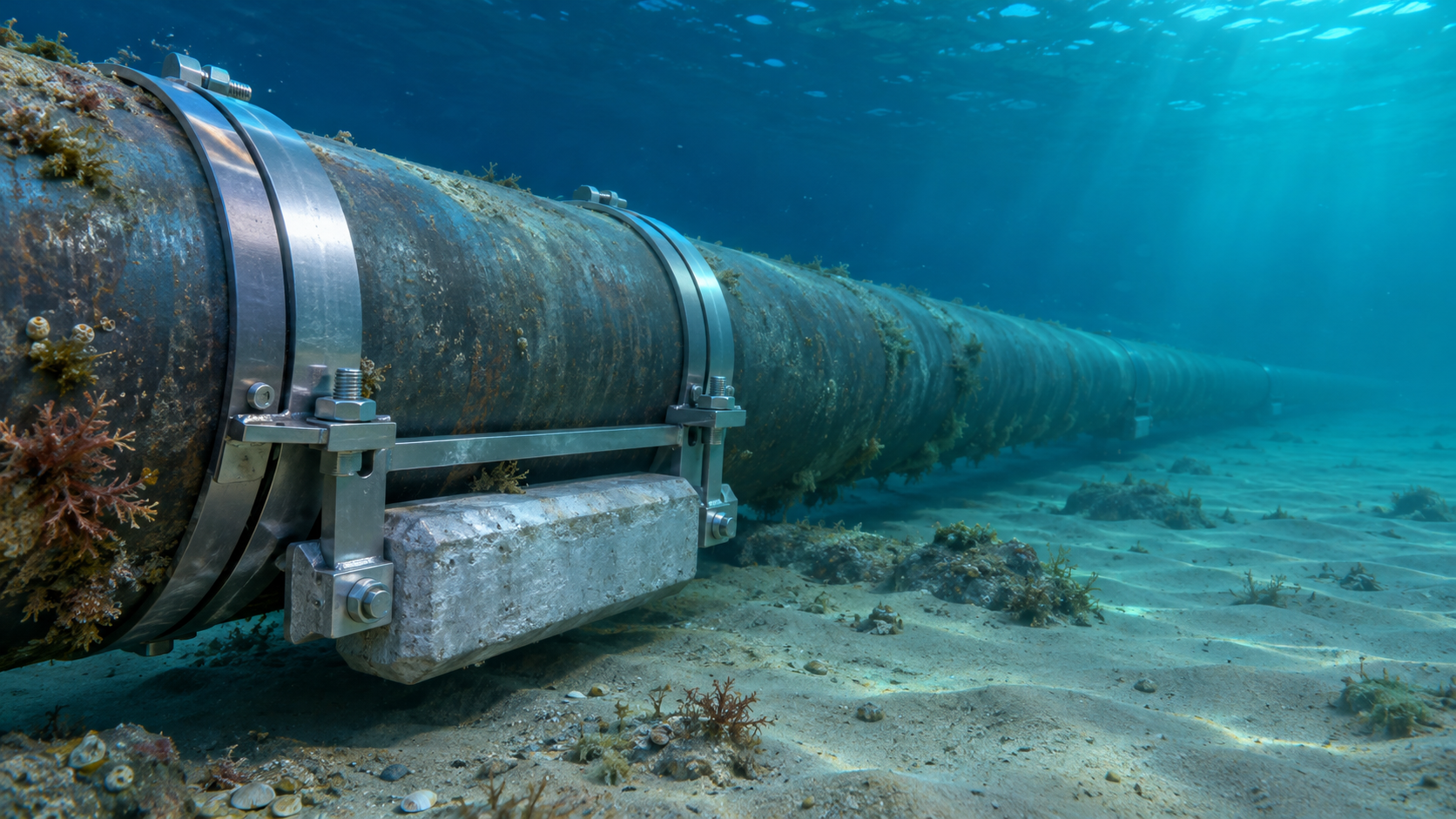
 Subsea Anode Retrofit Clamps: Sizing for Corrosion Protection LifeNov 06, 2026
- Global Project Radar: Tracking Pipeline Projects From Bid to AwardNov 06, 2026
- High-Frequency Induction Welded Pipe: Weld Quality and Heat InputNov 06, 2026
- Double Submerged Arc Welded Pipe: What to Check Before OrderingNov 06, 2026

Weekly Insights
Stay ahead with our curated technology reports delivered every Monday.
Questions about pipe blasting or corrosion protection? Leave a message for technical insights from GPIC.
We respect your privacy. Your information is strictly confidential.
Recommended News